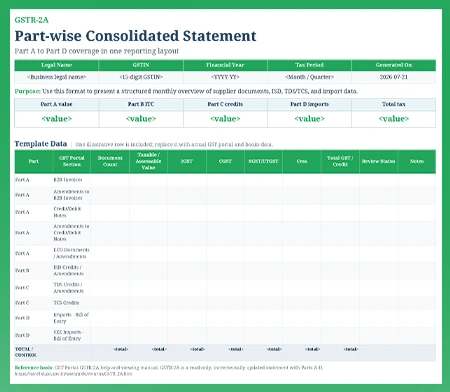
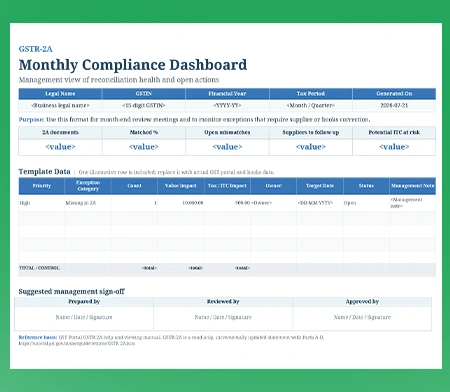
GSTR-2A is a read-only GST statement that helps businesses track purchase invoices and verify eligible Input Tax Credit (ITC). Raseed makes it easy to reconcile your GSTR-2A data and identify mismatches before filing GST returns.
GSTR-2A is an auto-generated, read-only GST statement that displays your inward supplies (purchases) based on your suppliers' GST filings. It helps businesses reconcile purchase records, verify eligible Input Tax Credit (ITC), and identify invoice mismatches.
Regularly reviewing your GSTR-2A statement helps ensure accurate ITC claims, improves GST compliance, and simplifies GST return preparation.
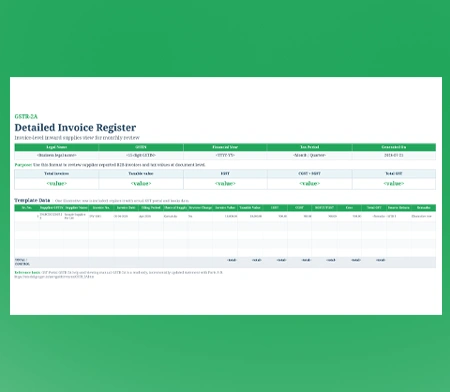
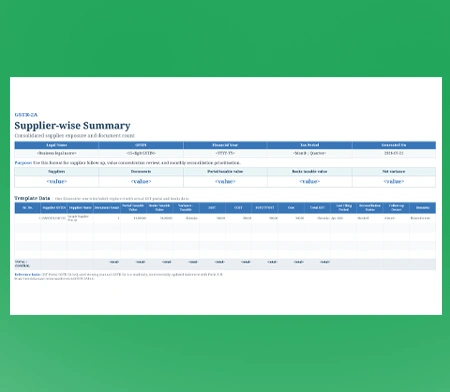
View your supplier-uploaded purchase details from GSTR-2A in an organized format, making it easier to review GST transaction records.
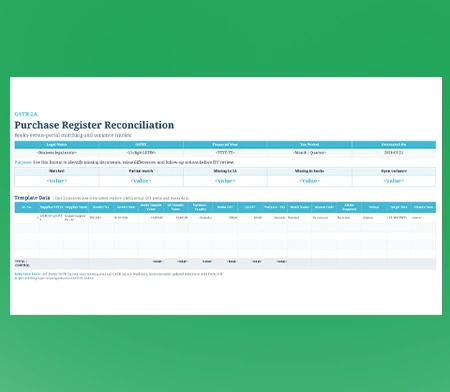
Compare your purchase register with GSTR-2A details to identify differences and maintain accurate purchase records.
Review eligible ITC details from purchase transactions and ensure accurate credit claims during GST return preparation.
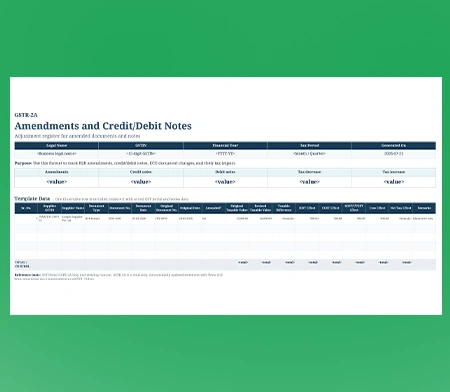
Identify differences in invoice numbers, GSTIN details, taxable values, and tax amounts to help you review and resolve discrepancies.
Instantly download data in the government-approved offline utility structure or the exact GSTR-2 format required by the GST portal.
Generate detailed reports with purchase summaries, matched records, and discrepancy details for GST compliance and audits.
Manage purchase information across multiple GST registrations from a single dashboard for better control.
Store GSTR-2A reports, purchase records, and reconciliation details securely for easy access whenever required.
Access your purchase records, invoices, and GST transaction details already available in Raseed Billing Software for reconciliation.
Import or view your GSTR-2A statement details and compare supplier-uploaded invoice data with your purchase records.
Review matched and unmatched transactions by comparing invoice numbers, GSTIN details, taxable values, and tax amounts.
Identify discrepancies in purchase entries, missing invoices, or incorrect details and take necessary action with your suppliers.
Generate detailed GSTR-2A reconciliation reports and use verified purchase data for accurate ITC review and GST return preparation.
Every standard registered taxpayer who buys goods, services, or both for their business operations must track their inward supplies to safeguard their business.
GSTR-2A does not have a deadline. It is a statement that updates automatically based on your suppliers' GST filings. Regularly reviewing your GSTR-2A helps you verify purchase invoices, track Input Tax Credit (ITC), and maintain accurate GST records.
Monthly GSTR-2A Updates: GSTR-2A gets updated whenever your suppliers upload invoice details in their GST returns. Regular checks help you keep your purchase records updated.
Before GSTR-3B Filing: Complete GSTR-2A reconciliation before filing your monthly GSTR-3B return to verify eligible Input Tax Credit and identify any invoice mismatches. Goods and Services Tax Network auto-drafts your static credit eligibility statement on the 14th day of every month, providing the baseline dataset for your purchase validation.
Quarterly Review for QRMP Businesses: Businesses under the QRMP scheme can review and reconcile GSTR-2A data before preparing their quarterly GST returns and tax payments.
Regular Supplier Follow-Up: Check pending or missing invoices regularly and coordinate with suppliers to ensure accurate invoice reporting.
Failing to review and reconcile GSTR-2A details can affect your ITC claims, GST compliance, and overall financial management.
Incorrect ITC Claims: Mismatched or missing invoices in GSTR-2A may result in claiming incorrect Input Tax Credit, leading to future adjustments or reversals.
Supplier Filing Issues: If suppliers delay or incorrectly file their GST returns, invoice details may not appear correctly in GSTR-2A, affecting ITC verification.
Delayed ITC Availability: Unmatched purchase records can delay the confirmation of eligible credits and impact your working capital planning.
GST Compliance Risks: Inaccurate purchase records or differences between books and GST data may lead to additional verification during audits or tax assessments.
Financial Impact of Errors: Poor reconciliation practices can result in ITC reversals, additional tax payments, and interest liabilities on incorrect claims.
The Value of Timely Filing: Businesses can avoid late fines, interest charges, and compliance problems by filing GSTR-3B on or before the deadline. Timely filing ensures accurate tax reporting and improved financial management.