As workflows become more digital and connected, companies prefer platforms that help teams stay aligned, track financial activity in real time, and respond quickly to changing needs. Accounting software has shifted from being a back-office tool to becoming an essential part of how businesses operate and make decisions.
How Businesses Evaluate Accounting Software Awareness
When evaluating alternatives, businesses usually look at overall fit instead of isolated features. Factors that commonly influence decision-making include:
- Ease of adoption for teams
- Compatibility with existing internal processes
- Ability to streamline routine financial tasks
- Clarity in tracking transactions and interactions
- Capacity to scale with organisational growth
These factors do more than guide comparison, they define how businesses approach change. The objective is not simply to replace one tool with another, but to find a solution that keeps pace with evolving operational demands and improves long term efficiency.
That is why many organisations start exploring Zoho Books alternatives, looking for platforms that align more naturally with their workflows and future growth plans.
Core Comparison Section
1) Raseed

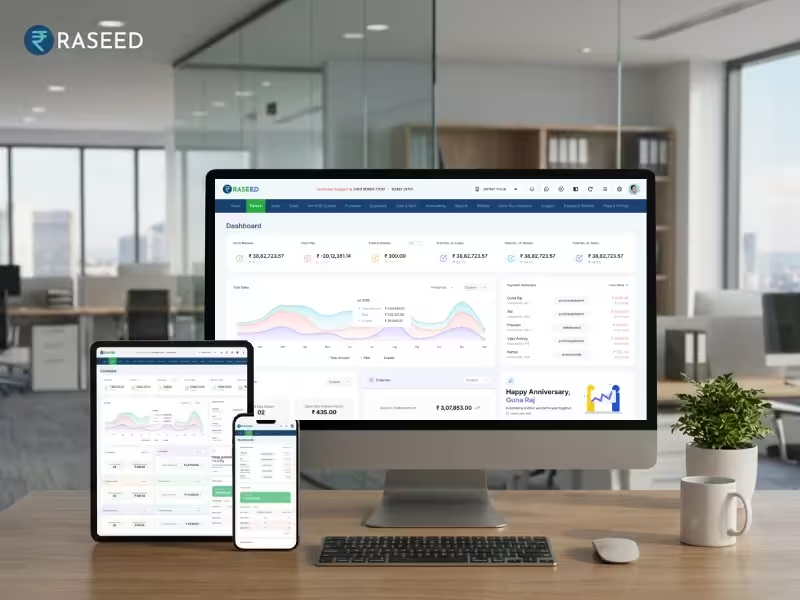
Raseed approaches financial coordination with a focus on usability and awareness. Rather than treating accounting as an isolated function, it supports structured financial interactions that help teams stay informed about transactions, client exchanges, and revenue movement. By connecting documentation with everyday activity, it encourages organised workflows and clearer operational oversight. This makes financial handling feel like a natural extension of business activity instead of an administrative afterthought.
Best suited for:
2) QuickBooks
QuickBooks is frequently included in comparisons due to its established market presence and broad accounting feature set. It supports core functions such as bookkeeping, reporting, and expense tracking within a structured and familiar interface. Many businesses exploring cloud-based accounting solutions consider it early in their evaluation because of its conventional financial organisation and widely recognised environment.
Best suited for:
3) Xero

Xero is often evaluated for its ability to integrate with a wide range of digital tools and enable collaboration between business stakeholders. This connectivity allows accounting data to be shared across teams and advisors, creating transparency and coordination in financial oversight. By embedding financial management within a connected digital ecosystem, it supports collaborative workflows rather than standalone record maintenance.
Best suited for:
4) Tally Solutions

Tally has built strong recognition through its alignment with regional accounting practices and long-standing familiarity within domestic markets. Its structured approach to record handling and reporting makes it especially relevant for organisations accustomed to established accounting conventions. Businesses often consider it when they require tools that reflect local compliance expectations and workflow norms.
Best suited for:
5) FreshBooks

FreshBooks tends to attract service-based organisations due to its straightforward approach to invoicing and expense coordination. Its usability-focused design simplifies client billing cycles, allowing teams to manage financial interactions without navigating overly complex accounting structures. This accessibility makes it appealing for professionals prioritising ease of operation alongside essential financial tracking.
Best suited for
6) Wave Financial
Wave is commonly explored by smaller organisations seeking an accessible entry point into structured bookkeeping. It enables businesses to formalise financial tracking and maintain organised records without substantial initial investment. Because of its simplicity and low barrier to adoption, it often forms part of early-stage software evaluations. Cost-accessible solutions frequently surface in Zoho Books alternatives research for startups exploring structured bookkeeping.
Best suited for
7) Sage

Sage solutions emphasise presenting financial information through dashboards and monitoring tools that help organisations interpret performance patterns. This perspective supports not only record maintenance but also informed oversight of financial movement. Businesses evaluating growth-stage tools often consider Sage when seeking deeper visibility without committing to full enterprise-scale systems.
Best suited for
8) MYOB
MYOB highlights automation-driven bookkeeping designed to improve accuracy and reduce manual intervention in routine calculations. By focusing on efficiency in day-to-day accounting processes, it encourages smoother documentation handling and consistent record maintenance. This efficiency-centred approach appeals to organisations prioritising time savings and precision.
Best suited for
9) ProfitBooks

ProfitBooks combines accounting functionality with operational elements such as inventory visibility. This connection allows businesses to coordinate financial records alongside stock movement, promoting continuity between physical and financial resources. The integration is particularly valuable for organisations seeking practical oversight without complex system structures.
Best suited for
10) Oracle NetSuite
Enterprise resource planning environments bring financial management together with wider organisational data. NetSuite represents this category by integrating finance with operational visibility across departments. This system-level perspective supports strategic coordination, making it relevant for businesses managing complexity across multiple functional areas.
Best suited for
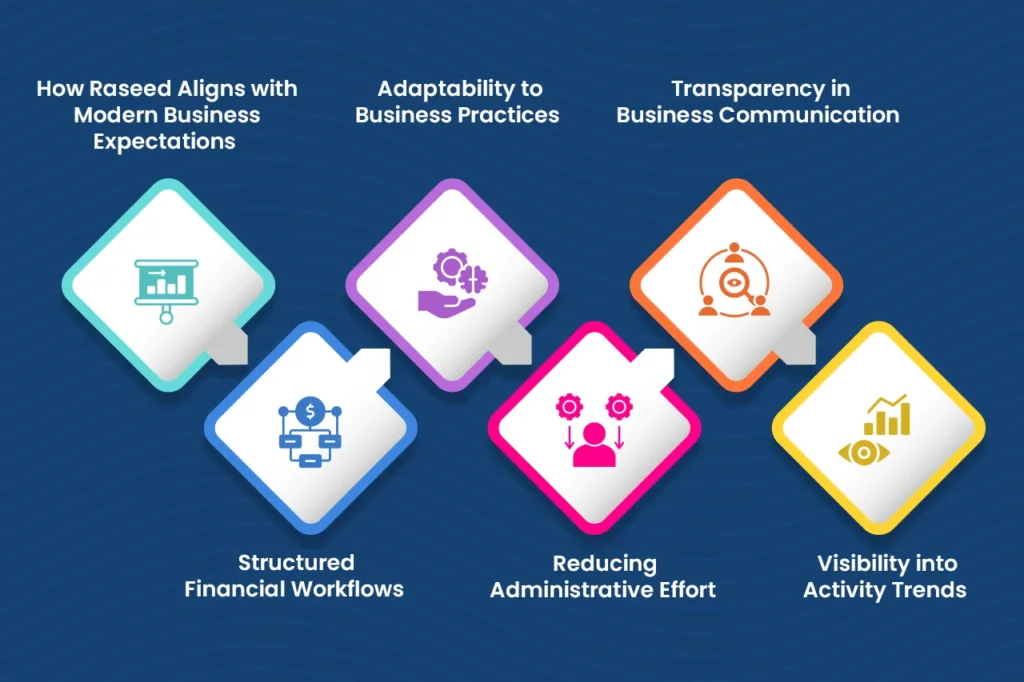
How Raseed Aligns with Modern Business Expectations
These workflow-driven expectations are shaping how Zoho Books alternatives are evaluated today.
Financial continuity depends on more than invoicing. Quotations, adjustments, records, and follow-ups all require organised handling. Raseed supports cohesive workflow structuring, so documentation remains consistent and easily accessible.
Adaptability to Business Practices
Automation and efficiency are increasingly valued. By supporting streamlined task handling, Raseed helps reduce repetitive work and allows teams to focus on strategic activities.
Clear financial exchanges strengthen trust. Raseed encourages clarity in information handling, contributing to professional and transparent client relationships.
Understanding financial patterns supports planning and evaluation. Raseed promotes awareness of activity movement, helping organisations recognise trends that guide decision-making.

Conclusion
Comparing accounting tools today involves assessing how well platforms integrate into daily operations and simplify financial coordination. Businesses increasingly prioritise clarity, adaptability, and usability alongside functional capability. As businesses continue assessing Zoho Books alternatives, platforms that combine clarity, adaptability, and operational visibility stand out.
Within this broader evaluation, Raseed stands out for its structured workflows, flexibility, and clear operational visibility, making it a compelling choice for organisations seeking a smarter, more aligned alternative.
GST Billing & Invoicing Software
Category List
Transform your billing with our top-notch software. Fast, accurate invoicing—start optimizing today!
