GST Invoice: Format, Rules, Types and Mandatory Details
Table of Content
- Who Needs to Issue a GST Invoice in India?
- What Details Are Required in a GST Invoice?
- What Are the Different Types of GST Invoices?
- Aggregate Invoice for Multiple Small Transactions
- When Should a Credit Note or Debit Note Be Issued?
- What Supplier Details Should Be Included in a GST Invoice?
- What Additional Information May Be Required on a GST Invoice?
- How Can Businesses Make GST Invoice Preparation Easier?

A GST Invoice also helps businesses maintain clear transaction records and allows eligible buyers to claim Input Tax Credit (ITC). Even a small mistake in invoice details can create problems during accounting or tax filing.
Who Needs to Issue a GST Invoice in India?
What Details Are Required in a GST Invoice?
- A unique invoice number and invoice date
- Supplier’s name, address, and GSTIN
- Customer’s name and billing address
- Shipping address, where applicable
- GSTIN or UIN of the recipient, when applicable
- Place of supply
- HSN code for goods or SAC code for services
- Description of the goods or services
- Quantity and unit of the goods
- Taxable value
- Applicable GST rate and tax amount
- CGST, SGST or IGST details, as applicable
- Discounts, if any
- Whether reverse charge applies
- Total invoice value
- Supplier’s signature or digital signature, where required
What Are the Different Types of GST Invoices?
Tax Invoice for Taxable Goods and Services
A tax invoice is issued by a GST-registered business for taxable goods or services. It includes details such as the HSN or SAC code, taxable value, GST rate, and tax amount. It also provides the buyer with the document needed to claim eligible Input Tax Credit.
Bill of Supply for Exempt Supplies
Aggregate Invoice for Multiple Small Transactions
Revised GST Invoice for Earlier Transactions
If a business becomes registered under GST, it may need to issue revised invoices for eligible supplies made during the relevant period before registration. The revised document must follow the applicable GST rules and time limits.
GST Vouchers for Advance Payments and Refunds
A receipt voucher may be issued when advance payment is received. A refund voucher can be used when an advance is refunded, while a payment voucher applies in certain cases where the recipient is required to pay tax under reverse charge.
When Should a Credit Note or Debit Note Be Issued?
How Does a GST Invoice Help with Tax Compliance?
A GST Invoice works as an important record of a taxable supply. It shows what was supplied, the value of the transaction, and the GST charged on it.
Correct invoicing also helps businesses maintain their books and complete GST-related filings with fewer errors. For eligible buyers, the invoice is an important document for claiming Input Tax Credit. Incorrect or incomplete invoices can create compliance issues and may also affect the buyer’s ITC claim.
What Supplier Details Should Be Included in a GST Invoice?
What Customer Details Are Required on a GST Invoice?
What Product and Tax Details Should a GST Invoice Show?
The GST Invoice should clearly mention what was sold or supplied. Quantity, unit, taxable value, HSN or SAC code, tax rate, and applicable tax amount should be recorded. The invoice should also clearly show whether CGST and SGST or IGST applies to the transaction.
What Additional Information May Be Required on a GST Invoice?
Depending on the transaction, the invoice may also need to show the total invoice value, reverse charge information, and signature or digital signature where applicable. These details help keep the invoice complete and make the transaction easier to verify later.
What Are the HSN Code Requirements for GST Invoices?
HSN code requirements depend on factors such as the business’s turnover and the nature of its supplies. The applicable number of digits can vary under current GST rules. Businesses should check the latest requirements and the correct HSN code before preparing a GST Invoice rather than relying on an old code list.

How Can Businesses Make GST Invoice Preparation Easier?
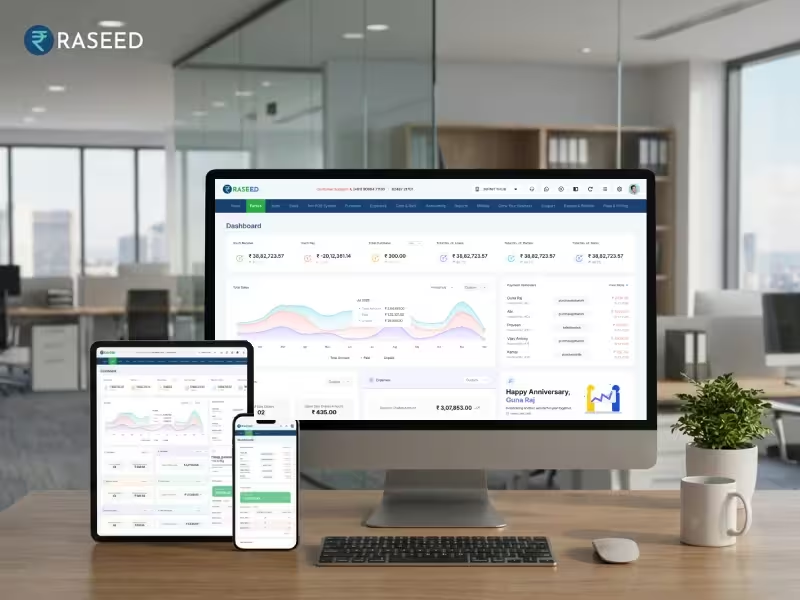
Preparing every GST Invoice manually can take time, especially when a business handles several transactions each day. Billing and business management software can help maintain invoice details, calculate applicable taxes, and keep transaction records together.
GST Billing & Invoicing Software
Category List
Transform your billing with our top-notch software. Fast, accurate invoicing—start optimizing today!
